






Rolling process requirements for tantalum plates
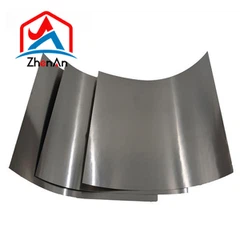
Tantalum plates are usually cold rolled using a two-roll or four-roll mill, with a deformation of 10% to 15% per pass.
When rolling a 2.5mm thin plate, the total deformation can reach 70% to 80%, and kerosene or palm oil is required as a lubricant.
Due to the high hardness and tensile strength of tantalum, rolling is extremely difficult, and super-hard rollers are generally used.
In order to reduce the deformation resistance during rolling and maintain the stability of the rolling process, process lubrication, cooling and high-tension rolling are required.
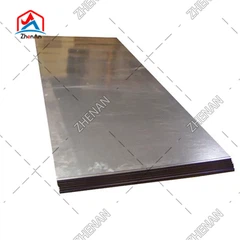
Tantalum plate main parameters table
| Purity | Ta ≥99.95% |
| Density | 16.68 |
| Specification Range | T0.025mm x W5-1500mmx L50-3000mm |
| Surface | Bright |
| Property | Good high temperature resistance, corrision resistance, high strength, high melting point etc. |
Zhenan Tantalum Plate Product Details


Our Services
1. We can produce your own brand.
2. We can change our original design according to customer requirements.
3. We will make samples for you to review and approve before ordering
4. The price we offer is competitive, if your order is large enough, we can also reconsider the price.
5. We can make your own design/sketch/picture, welcome to use. Our main services are OEM and ODM.
6. Samples can be delivered within 7-15 days after your payment.
FAQ About ZhenAn
1.Q: What are your advantages?
Honest business, competitive prices, professional service in export process.
2.Q: How do we ensure quality?
Always provide pre-production samples before mass production; always conduct final inspection before shipment;
3.Q: Do you have a stable supply of raw materials?
Maintaining long-term cooperation with qualified raw material suppliers ensures the high quality of our products from the first step.
4.Q: How is your quality control?
Our quality control steps include:
(1) Confirm everything with customers before purchasing and production;
(2) Check all materials to ensure they are correct;
(3) Hire experienced workers and train them properly;
(4) Conduct inspections throughout the production process;
(5) Conduct final inspection before loading.