





Aluminum Wire
Your Professional Aluminum Wire Supplier
ZhenAn New Metal Co., Ltd. is located in Anyang City, Henan Province, the hometown of Oracle in China. We are a professional metal materials exporter with more than 30 years of experience in metal production.In addition, we also have 200+ employees and 2 production plants, each covering an area of more than 30,000 square meters. The annual output of metal materials exceeds 150,000 tons, including: tantalum metal, zirconium metal and niobium metal.


Why choose us
Quality assurance
Zhenan operates a very strict quality control system, including raw material selection, production control, product inspection, fine packaging and delivery. All products undergo rigorous analysis and each order is inspected by relevant processes before shipment.
Professional service
With extensive experience in high-purity materials, we can help customers select materials, design products and provide technical support. We have independent laboratories to develop and test new materials and provide technical consultation to customers.
Customized services
Which can accept your customized needs for product packaging and logistics. If you need to customize your own logo on the packaging, no problem, we can fully meet your needs.
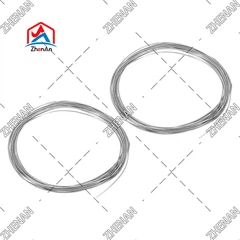
Aluminum Wire
Aluminium is the third most abundant element in the Earth’s crust and is widely used in various forms, including wire. Aluminium is known for its excellent conductivity, lightweight nature, and resistance to corrosion. These properties make it suitable for a wide range of applications, from electrical systems to crafting and beyond.
|
Item |
Main elements (%)(max) |
|||||||||||
|
Si |
Fe |
Cu |
Mn |
Mg |
Cr |
Zn |
|
Ti |
Other Elements |
Al %(min) |
||
|
Single |
Total |
|||||||||||
|
LGAS-0 |
0.003 |
0.003 |
0.005 |
- |
- |
- |
0.001 |
|
0.002 |
0.002 |
- |
99.99 |
|
LGAS-1 |
0.015 |
0.015 |
0.005 |
- |
- |
- |
0.001 |
|
0.002 |
0.005 |
- |
99.97 |
|
LGAS-2 |
0.2 |
0.25 |
0.03 |
0.03 |
0.03 |
- |
0.07 |
|
0.03 |
0.03 |
- |
99.7 |
|
LGAS-3 |
0.1 |
0.4 |
0.05 |
0.01 |
- |
0.01 |
0.05 |
0.03Ga,0.05B, |
- |
0.03 |
0.1 |
99.5 |
Advantages of Aluminium Wire
Lightweight
One of the most significant advantages of aluminium wire is its lightweight nature. Aluminium is approximately one-third the weight of copper, making it easier to handle and install. This characteristic is particularly beneficial in applications where weight reduction is crucial, such as in aerospace and automotive industries.
Cost-Effective
Aluminium wire is generally more cost-effective than copper wire. The lower cost of aluminium, combined with its excellent conductivity, makes it an attractive option for budget-conscious projects. Additionally, aluminium’s lighter weight reduces transportation and installation costs, further enhancing its cost-effectiveness.
Corrosion Resistance
Aluminium naturally forms a protective oxide layer on its surface, which prevents further oxidation and corrosion. This property makes aluminium highly resistant to environmental factors, ensuring its longevity and reliability in various applications. Unlike copper, aluminium does not require additional coatings or treatments to protect against corrosion.
High Conductivity
Although aluminium has slightly lower electrical conductivity than copper, it is still highly efficient for most electrical applications. Aluminium wire can carry the same amount of current as copper wire with a larger diameter, making it a suitable alternative for electrical wiring and power transmission.
Thermal Conductivity
Aluminium has excellent thermal conductivity, which is beneficial in applications where heat dissipation is essential. In electrical systems, aluminium helps dissipate heat generated by electrical currents, reducing the risk of overheating and improving overall safety and performance.
Recyclability
Aluminium is highly recyclable, making it an environmentally friendly choice. Recycling aluminium requires only a fraction of the energy needed to produce new aluminium, reducing the overall carbon footprint. The recyclability of aluminium contributes to sustainable practices and resource conservation.
Bare Aluminium Wire
Bare aluminium wire is uncoated and used in applications where conductivity and corrosion resistance are essential. It is commonly used in electrical power transmission and distribution systems. Bare aluminium wire is available in various sizes and configurations to suit different requirements.
Enameled Aluminium
Enameled aluminium wire, also known as magnet wire, is coated with a thin layer of insulating material. This type of wire is used in electrical coils, transformers, motors, and other applications where electrical insulation is necessary. The enamel coating provides electrical insulation while maintaining the wire’s conductivity and thermal properties.
Alloyed Aluminium Wire
Alloyed aluminium is produced by adding other elements, such as magnesium, silicon, or copper, to enhance its mechanical and electrical properties. These alloys improve the wire’s strength, conductivity, and corrosion resistance, making it suitable for specialized applications in industries like aerospace, automotive, and construction.
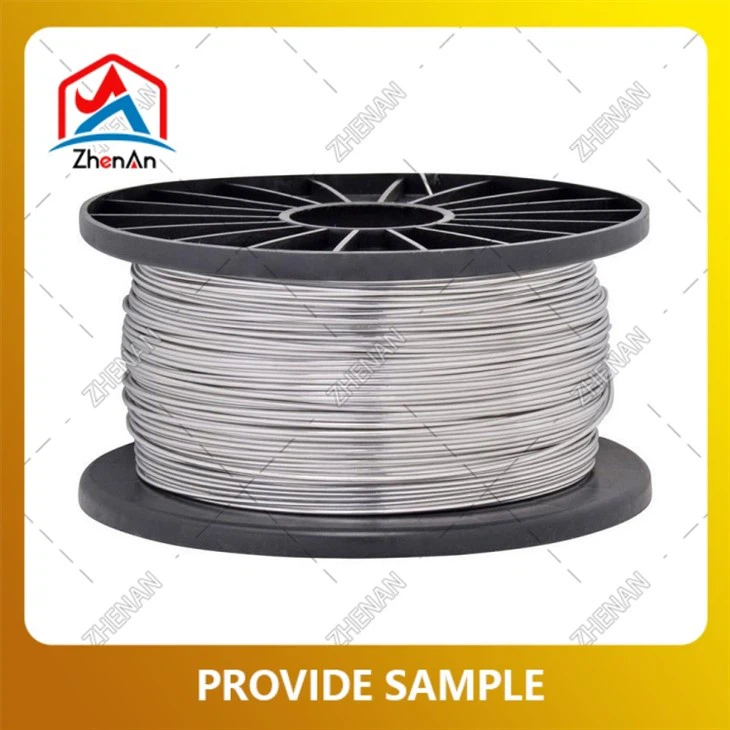

Stranded Aluminium
Stranded aluminium wire consists of multiple strands of aluminium twisted together to form a single conductor. This type of wire offers increased flexibility and durability compared to solid aluminium. Stranded aluminium wire is commonly used in applications where flexibility and resistance to bending are essential, such as in wiring harnesses and electrical cables.
Aluminium Clad Steel Wire
Aluminium clad steel wire is a composite wire that combines the strength of steel with the conductivity and corrosion resistance of aluminium. This type of wire is used in applications where high strength and conductivity are required, such as in overhead power transmission lines and grounding systems.
Tinned Aluminium Wire
Tinned aluminium wire is coated with a thin layer of tin to enhance its solderability and corrosion resistance. This type of wire is used in applications where soldering is necessary, such as in electrical connections and circuitry. The tin coating also provides additional protection against environmental factors, ensuring the wire’s longevity.
Applications of Aluminium Wire
Electrical Wiring
One of the primary uses of aluminium is in electrical wiring. Aluminium’s conductivity, combined with its lower cost compared to copper, makes it an attractive option for electrical applications. It is commonly used in power transmission lines, electrical grids, and residential wiring. Aluminium wire is particularly advantageous in high-voltage power lines due to its lightweight nature, which reduces the overall weight of the transmission infrastructure.
Construction
In the construction industry, aluminium is used for various purposes, including structural reinforcement and binding. It is often employed in building frameworks, window frames, and roofing materials. Aluminium’s resistance to corrosion ensures the longevity of structures, even in harsh environmental conditions.
Automotive Industry
The automotive industry utilizes aluminium wire for several applications, including electrical systems, wiring harnesses, and battery connections. The lightweight nature of aluminium contributes to improved fuel efficiency and reduced emissions in vehicles. Additionally, aluminium’s thermal conductivity helps dissipate heat generated by electrical components, enhancing overall performance and safety.
Aerospace
In the aerospace industry, weight reduction is critical for achieving optimal performance and fuel efficiency. Aluminium is used in aircraft wiring, control systems, and structural components. Its lightweight properties contribute to the overall reduction in aircraft weight, leading to enhanced fuel economy and increased payload capacity.
Art and Crafts
Aluminium wire is a popular choice among artists and crafters due to its malleability and versatility. It can be easily shaped and molded into intricate designs, making it ideal for sculptures, jewelry, and various decorative items. Artists appreciate aluminium wire’s ability to retain its shape while being lightweight and easy to work with.
Renewable Energy
The renewable energy sector, particularly in solar and wind energy systems, utilizes aluminium wire for various applications. In solar panels, aluminium wire is used for electrical connections and wiring, while in wind turbines, it is employed in generators and power transmission lines. Aluminium’s corrosion resistance ensures the longevity and reliability of renewable energy systems.
How to Make Aluminum Wiring Safe
Rewire entire home
The most guaranteed method for addressing the problem of aluminum wiring is replacing all the wiring in the house with copper wiring. However, this might be an expense that is hard to absorb, and the job will take much longer.
Fix Connections by Pig-tailing with Copper Wire
The point of connection with the outlet or switch can be patched by using copper wire with a technique called pig-tailing, that crimps a short piece of copper wire to the aluminum wire, so that the current is conducted from the aluminum wire to the copper wire that connects to the receptacle. This should only be performed by a licensed and insured electrician. COPALUM connectors are preferred by the CPSC, electricians, and home inspectors.
Swap out non-CO/ALR outlets/switches
Finally, an electrician can swap out all outlets and switches with ones that are compatible with aluminum wiring. Pig-tailing may be a more cost-effective solution, however.

Choosing the Right Aluminium Wire
Determine the specific requirements of the application, such as current carrying capacity, mechanical strength, flexibility, and environmental conditions. This will help in selecting the appropriate type and size of aluminium wire.
The wire gauge indicates the diameter of the wire and affects its current carrying capacity and resistance. Choosing the correct wire gauge is essential to ensure the wire can handle the required electrical load without overheating or causing voltage drops.
Consider whether the wire requires insulation for electrical safety and performance. Enameled aluminium or tinned aluminium wire may be necessary for applications where electrical insulation or solderability is required.
Evaluate the environmental conditions in which the wire will be used, such as temperature, humidity, and exposure to corrosive elements. Aluminium’s natural corrosion resistance makes it suitable for harsh environments, but additional coatings or treatments may be necessary for specific applications.
Ensure that the selected aluminium wire complies with relevant industry standards and regulations. This is particularly important in electrical and construction applications to ensure safety and reliability.
FAQ
We're professional aluminum wire manufacturers and suppliers in China, specialized in providing high quality customized service. We warmly welcome you to buy aluminum wire at competitive price from our factory. Contact us for more details.
specialty metals consultants