





Molybdenum Alloy
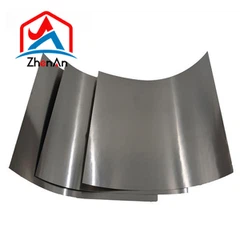
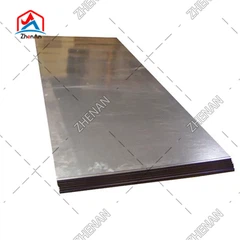
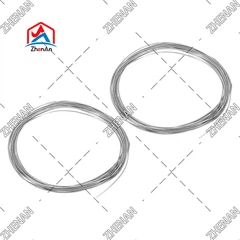
Molybdenum alloys are usually found in the form of coils, sheets, rods, or bars. These materials are commonly used to manufacture steel, cast iron, and other engineered products used in automotive, stainless steel production, shipbuilding, aircraft and aerospace, and other specialty industries.
Benefits of Molybdenum Alloy
Exceptional Strength and Stiffness: Molybdenum alloy exhibits exceptional strength and stiffness, making it an ideal choice for high-performance applications that require strength and durability. It can withstand significant loads without compromising its structural integrity, ensuring long-term reliability.
High Thermal Conductivity: Molybdenum has excellent thermal conductivity, which means it can effectively dissipate heat generated within the component. This property is crucial in high-temperature applications, where components are subject to thermal stress. By effectively managing heat, molybdenum alloy ensures component stability and prevents thermal failure.
Excellent Corrosion Resistance: Molybdenum alloy resists corrosion, even in harsh environments. This makes it suitable for use in corrosive media, such as saltwater or acidic environments, where other materials may deteriorate rapidly. Its corrosion resistance ensures a longer lifespan and reduces maintenance requirements.
High Temperature Stability: Molybdenum alloy maintains its mechanical properties even at elevated temperatures. This allows it to be used in high-temperature applications without concerns about material degradation or failure. Whether it's in aerospace, automotive, or other industries, molybdenum's high-temperature stability ensures reliable performance.
Good Electrical Conductivity: Molybdenum alloy also offers good electrical conductivity, making it suitable for electrical components that require high conductivity and heat dissipation. This property is particularly useful in applications like electronic packaging, where heat generated by electronics needs to be efficiently dissipated.
Customizability: Molybdenum alloy can be easily shaped and formed into complex geometries, allowing for maximum design flexibility. This customizability ensures that components can be tailored to specific requirements, optimizing performance and efficiency.


Why Choose us
Quality assurance
Zhenan operates a very strict quality control system, including raw material selection, production control, product inspection, fine packaging and delivery. All products undergo rigorous analysis and each order is inspected by relevant processes before shipment.
Professional service
With extensive experience in high-purity materials, we can help customers select materials, design products and provide technical support. We have independent laboratories to develop and test new materials and provide technical consultation to customers.
We Offer The Most Competitive Prices
Zhenan provides the most competitive prices for various products. We maintain close cooperation with industry leaders in China to obtain low-cost and high-quality materials. At the same time, we have established a complete supply chain system to reduce costs, and we always pursue efficient mass production and scientific management.
The Uses of Molybdenum and Molybdenum Alloys in the Iron and Steel Industry
As an alloying element of steel, molybdenum can improve the strength of steel, especially the high-temperature strength and toughness. In addition, it can improve the corrosion resistance of steel in acid-base solutions and liquid metals. Besides, it can also improve the wear resistance of steel and hardenability, weldability, and heat resistance.
Molybdenum is a good element that forms carbides. It will not be oxidized during the steelmaking process. It can be used alone or in combination with other alloying elements.
Molybdenum is used together with chromium, nickel, manganese, and silicon to produce different types of stainless steel, tool steel, high-speed steel, and alloy steel.
The Uses of Molybdenum and Molybdenum Alloys in the Field of Electronic and Electrical
Molybdenum has good electrical conductivity and high-temperature performance, especially its thermal expansion coefficient is very close to that of glass. Therefore, it is widely used in the core wire, lead wire, side rod, and other parts of the spiral filament in the bulb, and used as the grid and anode support material in the electron tube.
In addition to the use of pure molybdenum in the modern electronics industry, Mo-Re alloys can be used as structural materials for electronic tubes and special bulbs. Besides, Mo-50Re and TZM alloys can also be used as thermionic cathode structural components in high-power microwave tubes and millimeter-wave tubes.
The Uses of Molybdenum and Molybdenum Alloys in Car Spraying
The melting point of molybdenum is as high as 2620°C, and it has good high-temperature performance and corrosion resistance and has a strong bonding force with steel. Therefore, it is the main thermal spraying material in the production of automobile parts.
Thermal spray materials can significantly improve the performance of piston rings, synchronizer rings, shift forks, and other worn parts, and are also used to repair worn crankshafts, rolls, shafts, and other mechanical parts.
The Uses of Molybdenum and Molybdenum Alloys in High-Temperature Components
Molybdenum features high purity, good high-temperature resistance, and low vapor pressure, so it is often used to make heating elements and structural materials for high-temperature furnaces. Molybdenum has good ablation resistance in molten quartz. It is often used as an electrode for energization and melting in the glass industry, and its service life can reach more than one year.
In addition to being used as an electrode, molybdenum can also be used as a high-temperature structural material for glass melting, such as guide grooves and pipes. The use of molybdenum instead of platinum on the glass fiber drawing furnace has a good effect and greatly reduces the production cost.
The Uses of Molybdenum and Molybdenum Alloys in Oil Extraction
Molybdenum can not only be used in oil and gas field drilling pipelines but also often combined with cobalt and nickel as a catalyst for petroleum refining pretreatment.
In addition to the above-mentioned uses, molybdenum and its alloys can also be used in fields such as nuclear industry, aerospace, and environmental protection.
Molybdenum alloy has some attractive properties, notably excellent strength and mechanical stability. It retains those credentials at extremely high temperatures, and it is both ductile and tough.
These are the main reasons that is has been incorporated into so many industry alloys, but there are other key factors too. For example, it has high thermal and electrical conductivity, coupled with strong bonding with glass, which means that it is still used in lighting, just as it was in the early 20th Century.
It can also offer corrosion resistance in some alloys, for example in molybdenum alloy. This super-austenitic stainless steel has a high-percentage of molybdenum (around 7.2%) and this, along with nickel and chromium, offers high resistance to seawater and brine. The molybdenum content also gives resistance to reducing acids.
Molybdenum alloys are employed across a wide range of different applications including electrical and electronic devices, aerospace components, high-temperature furnaces and processing equipment.

Types of Molybdenum Alloy
TZM (titanium, zirconium, molybdenum) is molybdenum’s primary alloy. It has twice the strength of pure molybdenum at temperatures over 1300°C and offers better weldability, but is roughly thirty percent more expensive to buy and machine. It is used in high temperature applications that require high strength, such as rocket nozzles, furnace structural components, and forging dies.
MoW (molybdenum-tungsten) is an alloy that provides better corrosion resistance against molten zinc, higher recrystallization temperature, and higher strength than pure molybdenum. It is used in components for zinc processing, stirrers for the glass industry, and sputter targets for coating technology.
MoRe (molybdenum-rhenium) is an alloy that offers the strength of moly with the ductility and weldability of rhenium. It is a costly alloy and it is only available in a very limited size range. It offers significant advantages in thin foil applications for high temperature delicate parts, especially those that must be welded. It is used in rocket propulsion components for the aerospace industry, welded constructions such as liquid metal heat exchangers (which require ductility at room temperature), and high temperature thermoelements.
Molybdenum Alloy Price: Factors, Trends, and Buying Guide
The automotive industry extensively utilizes molybdenum alloy in the manufacturing of critical components such as crankshafts, gears, and axles due to its high tensile strength and impact resistance. Similarly, the aerospace industry relies on its exceptional fatigue resistance and load-bearing capabilities for the production of aircraft landing gears, engine components, and structural parts.
In the construction industry, molybdenum alloy finds application in the production of heavy machinery, structural supports, and specialized tools. Moreover, the oil and gas industry benefits from its high strength and corrosion resistance properties, using it for drill collars, downhole tools, and pipeline equipment.
Several factors contribute to the price fluctuations of molybdenum alloy. Supply and demand dynamics play a crucial role, as an increase in demand or limited supply can drive prices up. Additionally, raw material costs, including the prices of chromium, molybdenum, and manganese, directly influence the overall cost of production. Market competition and economic factors such as inflation and currency exchange rates also impact the final price.
To understand the pricing trends of molybdenum alloy, a historical price analysis is essential. Over the years, the price has experienced fluctuations and volatility due to various factors. Global events like changes in trade policies, natural disasters, and geopolitical tensions can lead to significant price variations. Monitoring these trends and anticipating market movements is crucial for buyers and sellers in the industry.
When purchasing molybdenum alloy, several factors should be considered. Firstly, the quality of the steel and relevant certifications ensure that the material meets the required specifications. Supplier reputation and reliability are crucial to ensure timely delivery and consistent quality. Packaging and delivery options should also be evaluated to prevent any damage during transportation. Lastly, excellent technical support and responsive customer service enhance the overall buying experience.
To secure the best deals on molybdenum alloy, buyers can follow a few tips. Researching multiple suppliers and obtaining quotes from them allows for price comparison and negotiation. Bulk purchasing options often lead to discounted prices, especially when buying large quantities. Online marketplaces offer a wide range of suppliers, facilitating easy access to competitive pricing and product information.
Molybdenum alloy is a highly versatile material that finds applications in diverse industries, ranging from automotive to aerospace, construction, and oil and gas. Understanding the price dynamics and factors affecting it is essential for buyers and sellers in this industry. By considering various aspects such as quality, supplier reputation, and cost-effective purchasing strategies, businesses can make informed decisions and acquire molybdenum alloy at competitive prices.
General Guidelines for Processing Molybdenum Alloys
The choice between high-speed steel and sintered carbide (C2 Grade) depends largely on production quantities. In either case, tool life is shorter than would be expected with steel because molybdenum alloy is considerably more abrasive than steel at the same hardness, and molybdenum alloy has a tendency to chip while being machined. High-speed steels are generally used for small quantities or for roughing cuts on uneven surfaces. The preferred carbide grades are the C2 types recommended for cast iron. Work should be firmly chucked; tools sharp and well supported; machines should be rigid, sufficiently powerful, and free from backlash.
Lubricants
Many types of machining are done without lubrication. Cutting fluids may be used to extend tool life, increase cutting speeds, remove heat from the tool and work-piece and remove fine molybdenum alloy particles that wear the cutting edges of tools. When a lubricant is used, various high-chlorinated oils and solvents have proved satisfactory.
Soluble oils are very effective in hacksaw and band saw cutting operations, but not effective for turning, drilling, reaming or tapping. Sulfur-base oils and highly chlorinated cutting oils are very effective in drilling, tapping or thread chasing. Some machinist use these oils for finishing cuts in lathe operations to yield a smooth bright surface. Highly chlorinated cutting oils are most effective in reaming operations. Sulfur-base cutting oils cannot be used in machining electronic parts because of their deleterious effect on final properties.
Sawing and Shearing
Molybdenum alloy saws readily with high-speed-steel band or hacksaws; the practice is similar to that normally used in super alloys and no coolant is necessary but use of a soluble oil coolant in the hacksaw or band saw cut will remove chips and lengthen blade life. High speed steel blades with only the tooth area hardened are the most effective. Hand hack sawing is suitable for light gauges only. On power hacksaws, cutting rates are about 80 strokes/min at 0.004-in feed; and on band saw equipment, 100 fpm with a 6-tooth blade at pressure setting a 2″. About 1/8″ in. is generally allowed for the kerf and 3/16 in. for camber on heavier sections. Flat patterns and formed molybdenum alloy sheet sections can be cut on a band saw with a fine tooth blade at very high speeds.
Abrasive cut-off wheels may also be employed. Wheel recommendations are indicated under grinding. Flame cutting, on the other hand, produces a very irregular edge.
Slitting and shearing may be done at room temperature for gauges up to 0.025 in; heavier sections should be heated to about 400/1000 F. Shearing is feasible on sections up to about 1/8-in. thickness or diameter. Shearing camber can normally be held to about 1/8 in. in five feet (on 3/32-in. sheet); heavier sections, however, will show considerable drag.
Sections over 3/8-in thickness or diameter should be edge machined on a shaper or milling machine rather than sheared. Machining should be done along the edge rather than across and it may be desirable to hold between steel plates during machining to avoid chipping the edges.
Turning
Previous studies indicated that a positive side rake angle in the range of 20/25° was essential; and other recommendations included a lead angle of 0° or slightly positive, relief angles of 7°, nose radii of 0.031/0.062 in., and honing all edges of the cutting tool at approximately 45° to the rake angles to give a 0.003/0.005-in. flat on cutting edge. A tough grade of straight tungsten carbide was found best with feeds of 0.005/0.010 ipr, while a general-purpose, C2-carbide grade could be used successfully on lighter finishing operations to obtain longer tool life.
Zhenan New Metal Co., Ltd. has always focused on the research and development, production and sales of metal materials. Our factory covers an area of 30,000 square meters and has a full set of modern production equipment. It has two large-scale metal production plants and a metal material testing center. The quality of the metal materials produced is trustworthy.


Our Certificate


Asked Questions
We're professional molybdenum alloy manufacturers and suppliers in China, specialized in providing high quality customized service. We warmly welcome you to buy molybdenum alloy at competitive price from our factory. Contact us for more details.
TZM Alloy, Cu Mo Metal, Pure TZM Alloy