





Zirconium Metal
Zirconium metal is a chemical element; it has symbol Zr and atomic number 40. The name zirconium is derived from the name of the mineral zircon, the most important source of zirconium. The word is related to Persian zargun.
1. Low Neutron Absorption
One of the most significant advantages of zirconium metal pipes in nuclear reactors is their low neutron absorption cross-section. Neutron economy is crucial in a nuclear reactor because neutrons must be efficiently managed to sustain the nuclear fission chain reaction. Zirconium metal low neutron absorption allows more neutrons to be available for fission, improving the reactor's efficiency and performance.
2. High Corrosion Resistance
Zirconium metal pipes are highly resistant to corrosion, especially in water and steam environments, which are commonly used as coolants in reactors. This corrosion resistance ensures the longevity and integrity of the pipes, preventing the release of radioactive materials and maintaining the reactor's safety.
3. High-Temperature Performance
Nuclear reactors operate at very high temperatures, and the materials used must withstand these conditions without losing their structural integrity. Zirconium metal pipes have a high melting point (1855°C or 3371°F) and excellent thermal stability, making them suitable for use in the reactor core where temperatures are extremely high.
4. Mechanical Strength and Durability
Zirconium pipes possess excellent mechanical strength and ductility, allowing them to withstand the high-pressure environment within a nuclear reactor. Their durability ensures that they can endure significant stress and deformation without failing.
5. Safety and Reliability
Zirconium pipes play a crucial role in containing radioactive materials within the reactor core. By providing a robust barrier between the nuclear fuel and the reactor coolant, they help prevent the release of radioactive substances into the environment.


Why Choose us
Quality assurance
Zhenan operates a very strict quality control system, including raw material selection, production control, product inspection, fine packaging and delivery. All products undergo rigorous analysis and each order is inspected by relevant processes before shipment.
Professional service
With extensive experience in high-purity materials, we can help customers select materials, design products and provide technical support. We have independent laboratories to develop and test new materials and provide technical consultation to customers.
We Offer The Most Competitive Prices
Zhenan provides the most competitive prices for various products. We maintain close cooperation with industry leaders in China to obtain low-cost and high-quality materials. At the same time, we have established a complete supply chain system to reduce costs, and we always pursue efficient mass production and scientific management.
Zirconium Metal Compared To Titanium
Similarities
Both metals have a high melting point and are very resistant to corrosion due to their strong, stable oxide layer. When we compare zirconium metal to pure Titanium, is zirconium metal the strongest of the two. Especially at high temperatures and in strong chemical substances, zirconium's corrosion resistance is better. However, there are Titanium alloys (such as grade 5) that are many times stronger than all zirconium variants. Both, titanium and zirconium are very strong, relatively light and have a good weldability . In addition, both metals are non-toxic and biocompatible with the human body, making them suitable for medical applications, such as dental technology and surgical instruments.
Differences
The metals differ mainly in application, and investment. Titanium and zirconium metal are used for different applications in different markets, zirconium is widely used in nuclear energy and highly chemical processes while zitanium is more commonly used in aerospace, medical prosthetics, and marine applications. When titanium meets the technical requirements, it is a very cost-effective metal, making it a preferred choice over zirconium.
Five Interesting Facts To Know About Zirconium Metal
It is highly ductile and extremely resistant to corrosion and heat. Its symbol in the periodic table is Zr, and its atomic number is 40. It melts at 1855 degrees Celsius (°C) and boils at 4409 °C, and it is not corroded by acids, alkalis or seawater.
Zirconium metal is primarily extracted from the mineral zircon which is often found in the sands of coastal waters. The mineral is not contained in concentrated deposits, but rather broadly dispersed inside the ground. Today, the major producers of zirconium metal include Australia, China, Indonesia, South Africa and Ukraine. Beyond Earth, the element has been identified in the stars, including the Sun, and in lunar rocks.
Zirconium metal was identified by German chemist Martin Klaproth in a zircon stone brought from Sri Lanka. Pure zirconium metal — metal not mixed or alloyed with other elements — was first produced in 1925. But it was not widely used in industry until the end of the 1940s when it became an important engineering material used in producing nuclear energy.
Zirconium metal is indispensable in the production of nuclear energy, particularly as a cladding for long cylindrical fuel rods inside nuclear reactors. There are several reasons why zirconium metal is an optimal material to surround uranium pellets: the metal is exceptionally resistant to corrosion and high temperatures, and it absorbs very few of the neutrons produced by a nuclear fission reaction. The latter is essential for the chain reaction to run effectively inside the reactor’s core and to sustain the production of energy.
By cladding uranium fuel, zirconium also helps protect the coolant, typically water flowing through the reactor core, from contamination. It is estimated that up to 90 per cent of zirconium produced in the world is used for nuclear power.
Being tremendously resistant to corrosion by many acids and alkalis, it is broadly employed in the chemical industry. Zirconium metal compounds are used in ceramics, abrasives, lamp filaments, jet engines and space shuttle parts. In the medical field, zirconium dioxide, also known as zirconia, is applied as a material for dental and surgical implants due to its biocompatibility and durability. Zirconia is also used as a gemstone — cubic zirconia — a synthesized material that can be a substitute for diamonds and other precious stones.
1. Medical Applications of Zirconium Tubes
Prosthetics and Implants: One of the most critical applications of zirconium tubes in the medical field is in the design of prosthetic limbs and orthopedic implants. Zirconium metal biocompatibility ensures that these devices can be safely implanted in the body without the risk of rejection or adverse reactions. The strength and lightweight nature of zirconium also make prosthetics more comfortable and easier for patients to use, enhancing their quality of life.
Surgical Instruments: Zirconium tubes are utilized in the manufacturing of various surgical tools, including endoscopic instruments. Their corrosion resistance makes them ideal for repeated sterilization processes, reducing the risk of instrument degradation over time. This durability ensures that surgical instruments remain precise and reliable, which is critical during complex medical procedures.
Dental Applications: In dentistry, zirconium tubes are used to create dental posts and frameworks for crowns and bridges. Their aesthetic color and translucency closely mimic natural teeth, providing excellent cosmetic results. Additionally, zirconium’s resistance to oral acids and low thermal conductivity makes it an ideal material for long-lasting dental restorations.

2. Aerospace Applications of Zirconium Tubes
Engine Components: In aerospace engineering, zirconium tubes are particularly valuable in jet engines where high temperature and corrosion resistance are crucial. Zirconium can withstand the extreme environments inside jet engines, contributing to increased engine efficiency and reduced maintenance needs.
Structural Applications: Zirconium tubes are used in the structural components of spacecraft and satellites. Their ability to resist the corrosive effects of space environments, coupled with their low neutron absorption cross-section, makes them excellent for space applications. This property is particularly beneficial for maintaining the integrity of spacecraft structures over long-duration missions.
Fuel Rod Cladding in Nuclear Propulsion: Some advanced aerospace designs, particularly those involving nuclear thermal propulsion, use zirconium tubes as cladding for nuclear fuel rods. Zirconium metal low neutron absorption enhances the efficiency of nuclear reactions, which is vital for the propulsion systems of long-range spacecraft.
Best Practices for Handling and Fabricating Zirconium Metal
Storage and Handling
Proper storage of zirconium metal is crucial to prevent contamination and damage. Store sheets in a clean, dry area away from direct sunlight, moisture, and corrosive substances. Use pallets or racks to prevent contact with the floor and keep sheets separated to avoid scratching or deformation. When handling zirconium sheets, wear gloves to prevent fingerprints, which can affect the material's surface and subsequent fabrication processes.
Equipment Selection
When working with zirconium metal, it's important to use appropriate tools and equipment to prevent contamination and ensure precise fabrication. Select cutting tools, saw blades, and grinding wheels specifically designed for zirconium or other reactive metals. Avoid using carbon steel or iron-based tools that can contaminate the surface and compromise the corrosion resistance of the zirconium sheet.
Cutting and Machining
Zirconium sheet can be cut using shears, band saws, or abrasive waterjets. For precision cutting, using waterjets or laser cutting is recommended. When machining zirconium, ensure proper cooling with water-based lubricants to dissipate heat and prevent overheating. Maintain low cutting speeds to minimize heat generation and avoid work hardening, which can lead to cracking or reduced ductility.
Welding and Joining
Zirconium sheet can be successfully welded using various techniques such as TIG (Tungsten Inert Gas) welding or electron beam welding. Before welding, ensure the sheet and welding area are clean and free from contaminants. Use specialized zirconium welding filler rods with matching composition to maintain the material's corrosion resistance. Strictly follow proper shielding gas techniques to prevent oxygen and nitrogen contamination during welding.
Safety Precautions
Working with zirconium sheet requires strict adherence to safety precautions due to its reactive nature. Wear appropriate personal protective equipment (PPE), including gloves, safety glasses, and protective clothing. Implement proper ventilation in the workspace to control dust and fumes. Avoid contact between zirconium and flammable materials, as it can ignite under certain conditions. In case of a fire involving zirconium, use dry powder or sand to extinguish it, as water can react explosively with zirconium at high temperatures.
Surface Finishing
Zirconium sheet surfaces can be enhanced through various finishing techniques like polishing, brushing, or electrochemical etching. However, it is essential to avoid contact with abrasive cleaning pads or brushes that can introduce contamination. Utilize specialized tools and cleaning agents specifically designed for zirconium to maintain its integrity and surface quality.
Quality Control
Implement stringent quality control measures throughout the handling and fabrication process to ensure the integrity of zirconium sheet. Conduct regular inspections to identify any signs of contamination, damage, or defects. Non-destructive testing methods such as dye penetrant testing or ultrasonic testing can be employed to detect surface cracks or flaws that may compromise the material's performance.
Zirconium Metals in Different Forms
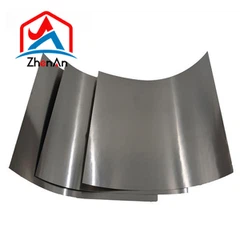
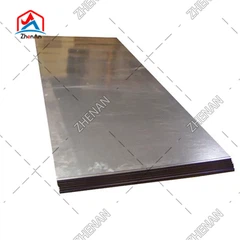
Zirconium Plates
Zirconium plates and sheets find widespread application in the aerospace industry, valued for their resistance to high temperatures and corrosion. Manufacturers also prefer them for crafting chemical processing equipment, thanks to their superior resilience against acids and alkalis.
Zirconium Pipes
Zirconium pipes and tubes play a crucial role in the nuclear industry. They act as cladding for nuclear fuel rods because they absorb neutrons at a low rate. Their resistance to corrosion also makes them perfect for chemical plant piping systems.
Zirconium Bars
Manufacturers use them in surgical devices and medical implants, capitalizing on Zr's biocompatibility. The automotive industry also relies on them for components that must endure harsh conditions.
Zirconium Strips
Zirconium strips are widely used in electronics for their conductivity and corrosion resistance, and in aerospace for their heat resistance. Zr strips also find applications in medical devices due to zirconium's biocompatibility. Additionally, their ability to be anodized makes them popular in decorative applications.
Other Zirconium Products
Zirconium Sponge serves as a primary source for producing high-purity zirconium and its alloys. This transitional form plays a crucial role in the metallurgical process to obtain the metal in its pure or alloyed state.
Zirconium Meshes find use in filtration and sieving, especially in corrosive environments. Their applications also extend to aerospace and medical implants, taking advantage of zirconium's structural integrity and biocompatibility.
Zhenan New Metal Co., Ltd. has always focused on the research and development, production and sales of metal materials. Our factory covers an area of 30,000 square meters and has a full set of modern production equipment. It has two large-scale metal production plants and a metal material testing center. The quality of the metal materials produced is trustworthy.


Our Certificate


Asked Questions
We're professional zirconium metal manufacturers and suppliers in China, specialized in providing high quality customized service. We warmly welcome you to buy zirconium metal at competitive price from our factory. Contact us for more details.
Polished Zirconium Belt, Zirconium Metal Sheet, zirconium for extrusion