






Tantalum crucibles support the inherent properties of industrial applications.
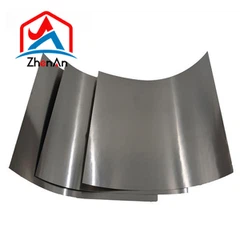
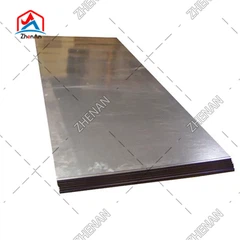
Tantalum Ta Crucibles are industrial refractory containers made from metallic tantalum (symbol Ta), combining an exceptionally high melting point, strong corrosion resistance, and non‑wetting behavior to meet the rigorous demands of high‑temperature metal melting, alloy production, and reactive material processing.
Intrinsic Properties Supporting Industrial Use
Tantalum's melting point of 3017 °C ranks among the highest of all metals, allowing Ta crucibles to remain structurally sound in processes involving molten refractory metals such as tungsten, molybdenum, and rhenium. Its density of 16.65 g/cm³ imparts mechanical robustness at temperature, while its thermal conductivity (≈57 W/m·K) promotes uniform heating, reducing localized overheating and thermal stress. Crucially, tantalum is virtually immune to attack by mineral acids (HCl, H₂SO₄, HF), molten salts, and many reactive metals, which prevents contamination of the contained material-an essential feature in high‑value industrial production.
|
|
|
|
|---|---|---|
|
|
|
|
|
|
|
|
|
|
|
|
|
|
|
|
|
|
|
|
Core Industrial Applications
Aerospace Alloy Manufacturing – Containing nickel‑based superalloys (e.g., Inconel 718) melted at 1300–1400 °C, preserving chemistry for turbine disk production.
Rare Earth Processing – Holding molten fluorides or chlorides for reduction of neodymium and dysprosium, avoiding contamination that degrades magnetic performance.
Operational Benefits


