






When choosing pure nickel strips, you need to consider the following factors:
1. Thickness and width: Choose the appropriate thickness and width according to actual needs. Generally speaking, the thicker the thickness, the higher the strength, but the price will also increase accordingly.
2. Composition: Pure nickel strips of different compositions have different uses. For example, N4 and N6 pure nickel strips are commonly used varieties, of which N4 has a nickel content of 99.95%, mainly used in high-temperature alloys and the electronics industry; while N6 has a nickel content of 99.6%, mainly used in the manufacture of stainless steel and electroplating industries.
3. Surface quality: Choose pure nickel strips with a smooth surface, no scratches, and no rust to ensure stability during processing and use.
4. Brand and service: Choose suppliers with well-known brands and a complete after-sales service system to ensure product quality and after-sales service.
Nickel Strip Product Basic Parameters
|
Product Name |
Pure Nickel Strip 99.96% |
|||
|
Weight |
Custom |
|||
|
Size |
Custom |
|||
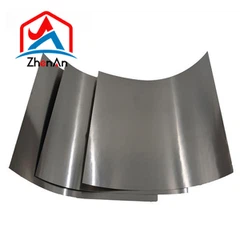
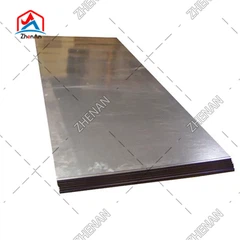
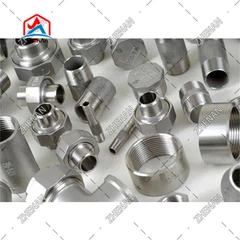
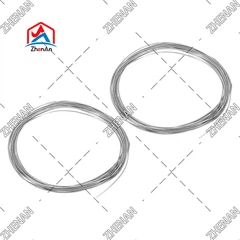
Nickel Strip Product Display


Zhenan core services:
Source manufacturer with obvious price advantage
Complete specifications and fast delivery
7*24 hours online customer service response
Sufficient inventory of conventional products
Support on-demand customization with short cycle
Guaranteed quality and quantity without worries
FAQ About ZhenAn
1.Q: What are your advantages?
Honest business, competitive prices, professional service in export process.
2.Q: How do we ensure quality?
Always provide pre-production samples before mass production; always conduct final inspection before shipment;
3.Q: Do you have a stable supply of raw materials?
Maintaining long-term cooperation with qualified raw material suppliers ensures the high quality of our products from the first step.
4.Q: How is your quality control?
Our quality control steps include:
(1) Confirm everything with customers before purchasing and production;
(2) Check all materials to ensure they are correct;
(3) Hire experienced workers and train them properly;
(4) Conduct inspections throughout the production process;
(5) Conduct final inspection before loading.