


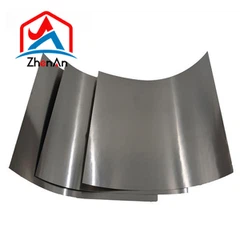
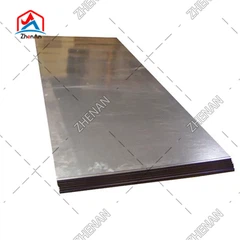




99.9% Nickel Metal Foil
|
Element |
Composition, % |
|
|
Nickel (UNS N02200) |
Low Carbon Nickel (UNS N02201) |
|
|
Nickel, min |
99 |
99 |
|
Copper, max |
0.25 |
0.25 |
|
Iron, max |
0.4 |
0.4 |
|
Manganese, max |
0.35 |
0.35 |
|
Carbon, max |
0.15 |
... |
|
Carbon, max |
... |
0.02 |
|
Silicon, max |
0.35 |
0.35 |
|
Sulfur, max |
0.01 |
0.01 |
How is nickel foil priced?
The price of nickel foil is calculated based on a comprehensive consideration of various factors. The following are some factors that may affect the price of nickel foil:
1. Nickel Price:
The price of nickel foil is closely linked to the market price of nickel. As the market price of nickel fluctuates, the price of nickel foil also fluctuates. Therefore, understanding the current nickel price is crucial for calculating the price of nickel foil.
2. Thickness and Size:
The thickness and size of nickel foil are also important factors affecting the price. Generally speaking, the thicker the foil, the higher the manufacturing cost, and therefore the price. Size also affects the price; generally speaking, larger sizes result in higher prices.
3. Processing:
Different processing methods affect the price of nickel foil. For example, the costs of cold rolling and hot rolling differ, which determines the price of nickel foil.
4. Order Quantity:
Generally speaking, larger quantities result in lower unit prices. Therefore, customers purchasing in large quantities can enjoy relatively lower prices.
5. Market Demand:
The greater the market demand for nickel foil, the higher the price. Therefore, market demand is also a very important factor.
6. Added Value:
Nickel foil that has undergone special processing or treatment, such as surface treatment or packaging, will cost more. Therefore, consider whether these additional services are necessary when purchasing.


