





How much is the tin price today?
| Today's price of tin ingots exported from China | |||||
| Product Name | Specification | price | Increase/Decrease | unit | Way |
| Tin ingots | 99.95%min | 284000-286000 | 1000 | Yuan/ton | Factory price |
one-stop solution
professional team
high quality
What is the typical metal form of a tin ingot, and why is this form important?
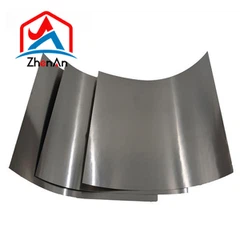
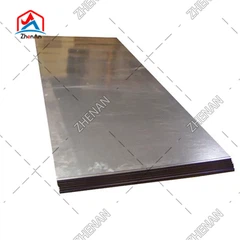
The standard metal form of a tin ingot is a solid, rectangular or trapezoidal block, usually cast in a mold during the cooling process after smelting. Tin ingots are produced in this specific shape because it is easy to store, stack, transport, and handle in industrial environments. The typical dimensions of tin ingots can vary, but they are often produced in standardized sizes to meet global trading specifications, especially those set by organizations like the London Metal Exchange (LME).
The ingot form is one of the most fundamental ways refined metals are presented after the initial smelting and refining processes. Once tin ore is mined, concentrated, smelted, and purified, the resulting molten tin is poured into molds to form ingots. This allows manufacturers, traders, and processors to efficiently move the material to the next stage of production, whether it's alloying, rolling, plating, or soldering. The uniform shape and size of tin ingots also make them easier to weigh, measure, and track in logistics and inventory systems.
In addition to traditional rectangular ingots, tin may also be produced in other forms such as granules, slabs, bars, or pellets, depending on its end-use. However, the ingot form remains the most common and widely recognized in global metal trading and industrial supply chains. Ingots are particularly important in commodity trading, where consistency and purity are essential. They serve as the primary unit of trade for refined tin in bulk quantities.
Visit https://www.zhenanmetal.com to learn more about the product. If you would like to know more about the product price or are interested in purchasing, please send an email to info@zaferroalloy.com. We will get back to you as soon as we see your message.