






99.9% Nickel Metal Sheet
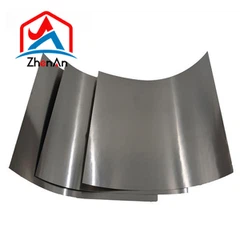
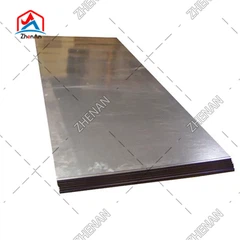
| Material: | Nickel |
| Thickness: | 0,05 mm |
| Length: | 1000 mm |
| Width: | 300 - 310 mm |
| Surface: | blank |
| Magnetisable: | yes |
| Structure: | cold rolled, not hardenable |
| Thickness Tolerance: | +/- 10% of thickness |
| Tensile Strenght: | hard rolled/semi-hard |
What elements are contained in nickel flakes?
Nickel sheet is a metal material containing high-purity nickel, typically with small amounts of other elements. The primary elements are nickel (Ni) and smaller amounts of other alloying elements.
1. Nickel (Ni): Nickel sheet is primarily composed of nickel, typically exceeding 99%. Nickel is a rare metal with excellent corrosion resistance, toughness, and magnetic properties. Therefore, nickel sheet is often used in the manufacture of products requiring high heat resistance, corrosion resistance, and magnetic properties, such as aerospace components, chemical equipment, and electromagnetic materials.
2. Iron (Fe): Iron is one of the most common impurity elements in nickel sheet, typically present at levels below 0.2%. The presence of iron can affect the mechanical and magnetic properties of nickel sheet, so the iron content must be controlled during production to ensure product quality.
3. Copper (Cu): Copper is another common impurity element, typically present at levels below 0.2%. Copper improves the strength and hardness of nickel sheet, but reduces its corrosion resistance and thermal stability. Therefore, the copper content must be controlled in specific applications.
4. Manganese (Mn): Manganese is a common additive element used to increase the strength and hardness of nickel sheet and improve its corrosion resistance. Its content is typically below 0.5%.
5. Chromium (Cr): Chromium is a common alloying element that improves the corrosion and wear resistance of nickel sheet. Its content is typically below 0.2%.
6. Molybdenum (Mo): Molybdenum is a common alloying element that improves the strength and hardness of nickel sheet and increases its high-temperature resistance. Its content is typically below 0.2%.
In addition to the elements listed above, nickel sheet may also contain small amounts of other elements, such as silicon (Si), titanium (Ti), and niobium (Nb). The addition of these elements can be adjusted according to different process requirements and product performance requirements. During the production process, the element content must be strictly controlled to ensure that the quality and performance of the nickel sheet meet customer requirements.


