


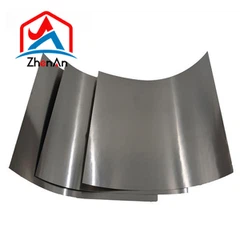
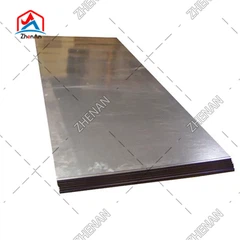


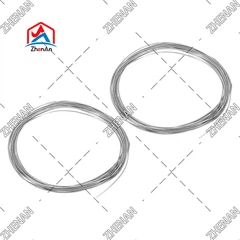
High Purity polished 99.95% tantalum wire manufacturer
99.95% Bright pure tantalum R05200 wire for sale


1. What's the price of tantalum?
Tantalum prices vary based on form (raw ore, powder, metal ingots, or processed components), purity, and market conditions. As of 2024:
Raw tantalum ore/concentrate (from mining): ~50–100 per kilogram (fluctuates with mining output and trade policies).
High-purity tantalum metal (99.95%+): ~150–250 per kilogram (higher purity commands a premium).
Tantalum capacitor-grade powder (used in electronics): ~80–180 per kilogram (depends on particle size and capacitance requirements).
Key price drivers include:
Supply disruptions (e.g., mining delays in the DRC, which supplies ~60% of global tantalum).
Demand from electronics (smartphones, EVs), aerospace, and defense sectors.
Ethical sourcing concerns (e.g., conflict-free mining certifications).
For real-time pricing, consult metal exchanges (e.g., London Metal Exchange) or suppliers like Cabot or Sumitomo.
2. Can I replace electrolytic with tantalum?
Yes, but only in specific applications where tantalum's advantages outweigh its limitations.
Electrolytic capacitors (e.g., aluminum electrolytic) and tantalum capacitors are both polarized, but differ in key ways:
| Property | Aluminum Electrolytic | Tantalum |
|---|---|---|
| Size | Larger for the same capacitance | Smaller (higher capacitance density) |
| Voltage Rating | Higher (up to 500V+) | Lower (typically ≤ 50V) |
| Leakage Current | Higher | Lower |
| Temperature Range | -40°C to +85°C (standard) | -55°C to +125°C (some types) |
| Cost | Lower | Higher |
When to replace aluminum with tantalum:
Space-constrained designs (e.g., smartphones, wearables).
Low-voltage, high-capacitance needs (e.g., decoupling in circuits).
Applications requiring long-term stability (e.g., medical devices).
Avoid replacing aluminum with tantalum if:
High voltage (>50V) is required.
Cost sensitivity is critical.
Operating temperatures exceed tantalum's limits.
Always verify compatibility with circuit design and consult datasheets.
3. Can tantalum be cut off?
Yes, tantalum can be cut, but its hardness and density require specialized tools and techniques.
Methods for cutting tantalum:
Mechanical Machining: Uses diamond-tipped tools or carbide end mills (tantalum work-hardens, so sharp tools and slow feeds are needed).
Laser Cutting: Effective for precision cuts (high-power lasers vaporize the metal, but may cause edge oxidation).
Electrical Discharge Machining (EDM): Uses electrical sparks to erode the metal, ideal for complex shapes or hard-to-machine parts.
Waterjet Cutting: Uses high-pressure water (with abrasive garnet) to avoid thermal damage, suitable for thick sections.
Note: Tantalum's high melting point (~3,017°C) and tendency to work-harden make it more challenging to cut than softer metals like aluminum or steel.
4. Which is better, titanium or tantalum?
Neither is universally "better"; their suitability depends on the application. Here's a comparison of key properties:
| Property | Titanium | Tantalum |
|---|---|---|
| Strength-to-Weight | Excellent (lightweight, strong) | Good (denser than titanium) |
| Corrosion Resistance | Exceptional (resists saltwater, acids) | Superior in strong acids (e.g., HF) |
| Melting Point | ~1,668°C | ~3,017°C (much higher) |
| Biocompatibility | Excellent (used in implants) | Good (but less common than titanium) |
| Electrical Conductivity | Low (~3% of copper) | Moderate (~10% of copper) |
| Cost | Moderate (10–30/kg for pure Ti) | Higher (150–250/kg for pure Ta) |
When to choose titanium:
Lightweight, high-strength applications (e.g., aerospace, bicycle frames).
Biomedical implants (hip/knee replacements).
Cost-sensitive corrosion-resistant parts.
When to choose tantalum:
High-temperature environments (e.g., furnace components).
Corrosion in aggressive chemicals (e.g., sulfuric acid, hydrofluoric acid).
Electronics (capacitors, anodes).
In summary, titanium excels in lightweight, cost-effective, or biocompatible roles, while tantalum dominates in extreme heat or chemical resistance.
Let me know if you need further details!
Visit https://www.zhenanmetal.com to learn more about the product. If you would like to know more about the product price or are interested in purchasing, please send an email to info@zaferroalloy.com. We will get back to you as soon as we see your message.