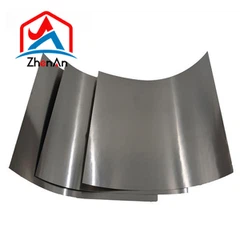
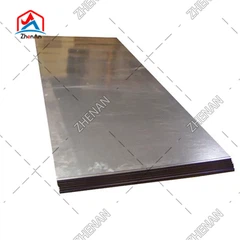
Yes, tantalum is classified as a heavy metal based on its density and atomic properties.
|
|
|
Heavy Metal Classification
|
|
|
|
Well above the typical heavy metal threshold (~5 g/cm³)
|
|
|
|
Heavier than many transition metals
|
|
|
|
Relatively high molar mass
|
|
|
|
Characteristic of refractory heavy metals
|
|
|
Low acute toxicity; biologically inert in metallic form
|
Heavy metal status is physical/chemical, not necessarily toxicological
|
In chemistry and metallurgy, heavy metals are generally defined as metals with high densities (often >5 g/cm³) and/or high atomic weights.
Tantalum meets both criteria, so it is considered a heavy metal, even though it is biologically low‑toxic and corrosion‑resistant.
Unlike some toxic heavy metals (e.g., lead, mercury), tantalum is chemically stable and safe for medical implants and electronics.
Tantalum's unique properties - high melting point, corrosion resistance, biocompatibility, and ability to store electrical charge - make it valuable across many industries.
|
|
|
|
|
|
Capacitors (tantalum electrolytic capacitors)
|
High capacitance in small size, reliability, stable performance
|
|
|
Surgical implants (plates, screws, bone repair devices)
|
Biocompatible, non‑reactive with body fluids
|
|
|
Heat exchangers, reaction vessels, piping
|
Resists corrosion by acids (except HF)
|
|
|
Rocket nozzles, missile parts, jet engine components
|
Withstands high temperatures and aggressive environments
|
|
High‑temperature metallurgy
|
|
Retains strength at >2000 °C in vacuum/inert gas
|
|
|
Cladding for uranium fuel rods
|
Excellent radiation resistance and corrosion stability
|
|
|
Alloy additive for improved strength & corrosion resistance
|
Enhances high‑temperature performance
|
Key Advantages Driving Use
Corrosion resistance: Unaffected by most acids, saltwater, and human body fluids.
Biocompatibility: Does not trigger immune response; safe for long‑term implantation.
High dielectric constant: Ideal for compact, high‑performance capacitors in phones, computers, and automotive electronics.
Refractory nature: Stable at extremely high temperatures where other metals fail.
Interesting Fact
Tantalum gets its name from Tantalus, a figure in Greek mythology, because early chemists found it difficult to dissolve - reflecting its extreme resistance to chemical attack.
Summary Table
|
|
|
|
Is tantalum a heavy metal?
|
Yes - high density (~16.7 g/cm³) and atomic weight classify it as a heavy metal, though it is low in toxicity.
|
|
What is tantalum used for?
|
Electronics (capacitors), medical implants, chemical processing equipment, aerospace parts, high‑temperature crucibles, nuclear cladding, superalloy additive.
|
Visit https://www.zhenanmetal.com to learn more about the product. If you would like to know more about the product price or are interested in purchasing, please send an email to info@zaferroalloy.com. We will get back to you as soon as we see your message.
Get a Quote Today