Tantalum (Ta) is a refractory metal - a rare, dense, blue‑gray transition metal with atomic number 73. It is prized for its extreme corrosion resistance, high melting point, and biocompatibility.
|
|
|
|
|
|
|
|
|
|
|
|
|
|
16.69 g/cm³ (very heavy metal)
|
|
|
3017 °C (5463 °F) - 5th highest of all metals
|
|
|
|
|
|
Body‑centered cubic (BCC)
|
|
|
|
|
|
|
|
Coefficient of thermal expansion
|
6.3 × 10⁻⁶ /K (low, good dimensional stability)
|
Key Characteristics
Corrosion resistance: Almost inert to acids (except hydrofluoric acid and hot concentrated sulfuric/nitric mixtures). Forms a stable, protective oxide (Ta₂O₅) layer.
Biocompatibility: Non‑toxic, non‑reactive with bodily fluids - ideal for medical implants.
Refractory nature: Retains strength at very high temperatures; used in aerospace, nuclear, and furnace components.
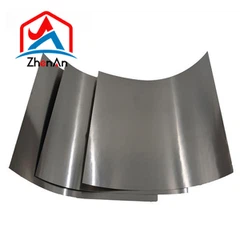
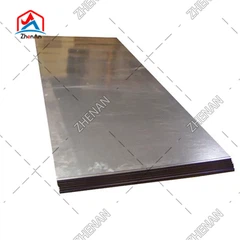
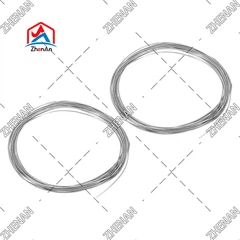
Workability: Can be drawn into fine wires, rolled into sheets, and machined (though requires care due to hardness).
Common Forms
Powder (for sintering, capacitors)
Sheet, rod, foil (for fabrication)
Crucibles, liners (for high‑temperature melting)
Wire (capacitor anodes, surgical sutures)
Applications summary: Electronics (capacitors), medical implants, chemical processing equipment, aerospace parts, high‑temperature crucibles, nuclear cladding, superalloy additive.
Tantalum crucibles are employed in smelting and melting processes where extreme temperature, chemical inertness, and non‑contamination of the melt are critical. Because tantalum has the 5th highest melting point of all metals (3017 °C) and exceptional resistance to corrosion, it is ideal for handling reactive metals and specialty alloys in vacuum or inert gas environments.
Key Reasons for Using Tantalum Crucibles in Smelting
|
|
|
|
Ultra‑high melting point
|
Can contain melts up to ~2000 °C continuously (short‑term up to ~2500 °C) without deforming.
|
|
|
Resists attack by most acids, molten salts, and reactive metals - prevents contamination of the melt.
|
|
|
Tantalum does not dissolve significantly in many melts, preserving metal purity (essential for aerospace, nuclear, and electronic materials).
|
|
Biocompatibility (indirect relevance)
|
Ensures no toxic elements leach into specialized materials, important for medical‑grade metals.
|
|
|
Low thermal expansion reduces cracking under rapid heating/cooling cycles.
|
Typical Smelting Applications of Tantalum Crucibles
|
|
|
|
|
High‑purity reactive metals
|
Titanium, zirconium, hafnium, niobium
|
Prevents reaction with crucible; preserves purity
|
|
Nickel‑based & cobalt‑based superalloys
|
Jet engine & turbine alloys
|
Withstands high melt temps; avoids contamination affecting mechanical properties
|
|
|
Gadolinium, dysprosium, etc.
|
Resists corrosive rare‑earth melts
|
|
Specialty alloys for electronics
|
High‑conductivity copper alloys, gold, platinum group metals
|
Crucible doesn't introduce impurities affecting conductivity
|
|
|
Uranium, thorium, plutonium (in research)
|
Chemically stable in radioactive environments; minimal reaction
|
|
Laboratory & R&D melting
|
Experimental alloys, intermetallics
|
Small batches, precise atmosphere control, contamination-free results
|
|
Single‑crystal growth & zone refining
|
Semiconductor & optical materials
|
Inert container ensures material purity during long thermal cycles
|
Operating Conditions
Atmosphere: Vacuum or inert gas (argon, helium) is mandatory for high‑temperature use - in air, tantalum oxidizes rapidly above ~300–400 °C.
Continuous use: ~2000 °C (vacuum/inert)
Short runs: up to ~2500 °C possible
Size: Typically small to medium volumes (lab scale to limited industrial scale) due to high cost and fabrication difficulty.
Advantages vs. Limitations in Smelting
|
|
|
|
Handles extremely high temperatures
|
|
|
Chemically inert to most melts
|
Must be used in oxygen‑free environment
|
|
Does not contaminate melt
|
Fabrication of large crucibles is difficult
|
|
Long service life in correct conditions
|
Susceptible to embrittlement if oxidized
|
Comparison With Other Refractory Crucibles in Smelting
|
|
|
|
|
|
|
|
|
Reactive metals, superalloys, nuclear metals
|
|
|
|
|
Highest-temp melts, but heavier & more brittle
|
|
|
|
|
|
|
|
|
Good (but can contaminate)
|
Non‑ferrous metals, cast iron (if contamination acceptable)
|
|
|
|
|
Ferrous & non‑ferrous melts (limited by basic melts)
|
Summary
Tantalum crucibles are used in smelting primarily for:
High‑purity reactive metal melting (Ti, Zr, rare earths, nuclear metals).
Superalloy production for aerospace and power generation.
Research and specialty alloy development where contamination must be avoided.
Situations requiring temperatures up to ~2000 °C in vacuum or inert gas.
Their unmatched corrosion resistance and non‑contaminating nature make them indispensable for producing metals and alloys where purity and performance are mission‑critical.
Visit https://www.zhenanmetal.com to learn more about the product. If you would like to know more about the product price or are interested in purchasing, please send an email to info@zaferroalloy.com. We will get back to you as soon as we see your message.
Get a Quote Today